
NEWS POST
Q&A-How Companies Can Prepare for the Next Downturn
Navigating Real Estate in an Uncertain Economy
Expert Q & A with Forte Leadership-Jim Jetland, SIOR-principal; Steve Brown, CCIM-principal, Phil Simonet-principal, and Paul Donovan-COO

Forte’s leadership team reviewed lessons from the Great Financial Crisis (GFC) of 2008-2010 and the COVID-19 pandemic in 2020 to help companies prepare for today’s uncertain economic outlook.
Key Takeaways for Business Leaders
-
-
-
- Experience Matters: Choose advisors who have navigated multiple cycles to ensure fully informed recommendations.
- Start Early: Starting early, ideally two or more years, has shown real estate commitments are better suited for economic challenges.
- Verify Landlord Stability: Assess the landlord’s financial condition using independent and provided data. Push for protections like self-help rights and SNDAs.
- Prioritize Flexibility: Expansion, contraction, and termination rights are critical for the unexpected.
-
-
The Bottom Line
One solid real estate decision can preserve capital and provide the runway to manage the next challenge.
What We Learned from 2008 and 2020-and Why It Matters Now
When COVID-19 shut down the global economy in March 2020, the shock felt immediate and universal. But for many tenants and landlords, the only historical comparison was the Great Financial Crisis (GFC) of 2008–2010—a period marked by collapsing credit markets, frozen deal activity, plunging asset values, and a deep sense of uncertainty.
During the GFC, companies spent years reassessing capital needs, real estate strategies, and risk exposure. When COVID hit, leaders remembered how quickly conditions had deteriorated in 2008 and reacted with similar caution—though the causes and outcomes were very different. Forte’s senior leadership team sat down to discuss how to advise clients on how to prepare their real estate for when and if the next downturn hits. COO Paul Donovan moderated the discussion with principals Jim Jetland, Steve Brown, and Phil Simonet.
Paul Donovan: Looking back at those early days of the pandemic, what surprised you most as events unfolded?
Jim Jetland: The depth of uncertainty. During the GFC, we saw clients paralyzed because capital dried up and no one knew where the bottom was. In 2020, it wasn’t financial markets collapsing—it was public health—but the effect on decision-making was similar. Office tenants again had no clarity: Do we stay home? Do we reopen? How do we keep people productive? Nearly every assumption about workplace strategy suddenly felt questionable.
Steve Brown: Healthcare saw a comparable shock. During the GFC, hospitals were cutting staff, delaying equipment purchases, and holding off on expansions. In 2020, the uncertainty took a different shape. Hospitals were told to prepare for catastrophic surges. Some systems fully staffed and equipped for patient volumes that never materialized. At the same time, private practices—already cautious because of memories of the last recession—were shut down for non-urgent procedures. For both groups, the hardest part was the waiting.
Phil Simonet: In industrial, both crises started with confusion. In 2008–2010, leasing stalled for almost 18 months. Projects died on the vine because financing evaporated. During COVID, the freeze lasted only a few weeks—but it felt similar at first. There were extraordinary moves, like buildings acquired for potential morgue space. But once the fear subsided, the cycle flipped quickly. Online ordering surged, and with construction paused, Amazon and logistics users consumed space faster than anyone expected. Industrial rebounded much more quickly than it did during the GFC.
Donovan: During the GFC, landlords were terrified of vacancy because debt markets were in freefall. In 2020, I saw landlords flash back to that mindset—worried that values would collapse. How did landlords respond in your sectors?
Simonet: Many industrial landlords reacted exactly as they did in 2008–2010. They feared a prolonged downturn and assumed they’d need to make concessions to keep buildings occupied. But unlike the GFC—where demand stayed depressed—COVID demand skyrocketed. At the same time, new institutional owners like Link Logistics entered the market, buying portfolios and lifting rents. Tenants were shocked the by increases, but compared with the GFC, when rents fell, the pandemic era was the opposite: rents rose sharply and vacancies shrank.
Donovan: That contrast is important. In the GFC, most tenants benefited from falling rents and eager landlords. In 2020, tenants expected a similar market—but instead faced escalating costs.
Donovan: Healthcare operators faced their own version of this. During the GFC, capital budgets were slashed and clinic expansions stalled. What happened in 2020?
Brown: Construction stopped for different reasons—material costs spiked and contractors couldn’t guarantee schedules. Systems paused projects just like they did during the GFC, but for different pressures. Many administrative teams went remote, and because everyone remembered the cost-cutting lessons from 2008–2010, some organizations allowed leases to expire. Now, several years later, they don’t have a place for those employees to return. A short-term reaction created long-term operational challenges.
Donovan: In office, the shift was even broader. During the GFC, many companies downsized aggressively to cut costs. In COVID, downsizing wasn’t the first instinct—safety was. Jim, how did tenants navigate those early decisions?
Jetland: Initially, everyone prioritized distancing and employee safety. It mirrored the GFC only in the sense that long-term planning was impossible. The focus was not optimization—it was survival. Later, as technology adoption accelerated, tenants realized hybrid work could function. That’s when the parallels reemerged: businesses began reevaluating footprint, culture, and long-term flexibility the same way they had after 2008.
Donovan: Let’s talk about rent relief. After the GFC, landlords were more flexible because they feared losing tenants. During COVID, we negotiated three-month relief packages even though no one knew how long the disruption would last. What stands out from that period?
Brown: The “three-month assumption” had no basis, yet everyone adopted it. Many landlords were willing to help, just like they did during the GFC, but some required extensions or concessions. Tenants noticed who acted like a partner. The broader lesson—shared across both crises—is that transparency builds trust, and leverage built from fear doesn’t last.
Donovan: Today, the landlord’s financial strength is a major concern. The GFC taught tenants that ownership changes, loan maturities, and lender control can materially alter their real estate position. How does that show up in current negotiations?
Brown: It’s now one of the first questions we ask: Can the landlord perform? During the GFC, we saw properties fall into receivership, and tenants sometimes dealt with lenders rather than owners. We’re seeing echoes of that today in certain office properties.
Jetland: Because of that history, our LOIs now provide stronger protections: self-help rights, remedies if improvement allowances aren’t delivered, and clearer provisions on landlord default. Subordination, Non-Disturbance, and Attornment (SNDAs) agreements is crucial for protecting the interests of both the lender and the tenant in commercial real estate transactions. Once common mostly in healthcare—are now being adopted by more office and industrial users.
Simonet: Industrial weathered the GFC better than office, and it’s still strong today. But lessons from that era apply: reputation matters, solvency matters, and tenants want to know who their long-term partner is.
Donovan: Let’s move to guidance. When you advise tenants today—knowing that economic indicators are mixed and uncertainty is rising—what lessons carry over from both the GFC and the pandemic?
Jetland: Flexibility is the most important theme across both crises. Expansion, contraction, and termination rights allow companies to navigate the unexpected.
Brown: Education is also key. Tenants often underestimate how operating costs and management structures can change during downturns—something we saw routinely in 2008–2010 and again during COVID.
Simonet: And start early. During the GFC, tenants who began planning two years before expiration weathered the cycle better than those who waited. The same holds true today.
Donovan: And tenants need the right decision-makers at the table: finance, HR, operations, architects, contractors, project managers, and legal. Whether the crisis is financial or operational, real estate decisions ripple across the business.
Donovan: Many small businesses now tell me the environment “feels like” early GFC or early COVID—clients slowing spending, uncertainty rising, and more conservative outlooks. How do we guide them through this moment?
Simonet: Be candid with landlords. In the GFC, honesty about financial strain often led to short extensions or restructured terms. The same approach works today.
Brown: Medical landlords favor stability. When the relationship is solid, they will find a way to make it work.
Jetland: And again—understand the landlord’s motivations: debt maturities, rent roll, lender pressure. Those external factors shape their flexibility.
Donovan: To close, what’s your overarching advice as companies prepare for whatever comes next?
Simonet: Choose advisors who have been through multiple cycles. The GFC and COVID reinforced that experience matters.
Brown: One good real estate decision can preserve millions and give organizations the runway to survive the next downturn.
Donovan: Whether the next shift looks more like 2008–2010 or more like 2020, the principle is the same: start early, stay flexible, understand your partners, and build a process that supports the business no matter the conditions.
If you have real estate questions or would like to review your company’s real estate strategy in case of a recession—contact our experienced Forte advisors.
Real Estate Advisory
Forte Real Estate Partners recognizes that each client’s real estate needs are unique to their business. Our experienced advisors listen to our clients, so they clearly understand the objectives, anticipate potential challenges, and work hard to exceed their expectations to provide solutions based upon our client’s best interests and current market conditions.



News & Updates
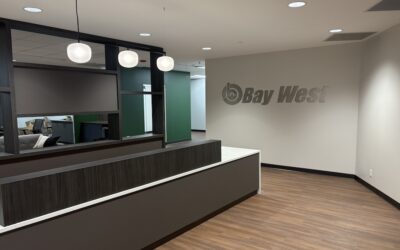
Forte Represents Bay West in Leasing Two Operational Facilities in St. Paul
NEWS POSTForte Represents Bay West in Leasing Two Operational Facilities in St. PaulForte Real Estate Partners has successfully represented Bay West, one of the Twin City’s oldest and best environmental services companies, in securing leases for two strategically...
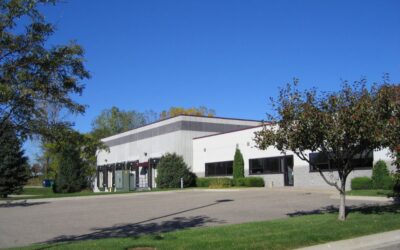
Forte Secures a Full-Building 30,128 SF Industrial Lease in Eagan
NEWS POSTForte Secures a Full-Building 30,128 SF Industrial Lease in EaganMinneapolis (March 4, 2026) – Forte Real Estate Partners has finalized a long-term, full-building lease for the 30,128 square foot industrial property at 3109 Neil Armstrong Blvd in Eagan,...

Healthcare Real Estate Insights: Strategic Shift Beyond “Main & Main”
NEWS POSTHealthcare Real Estate Insights: Strategic Shift Beyond “Main & Main”This article draws from the exclusive healthcare real estate insights shared at the MNREJ Medical Properties Summit on February 11, 2026, during the Development and Market Trends in...
